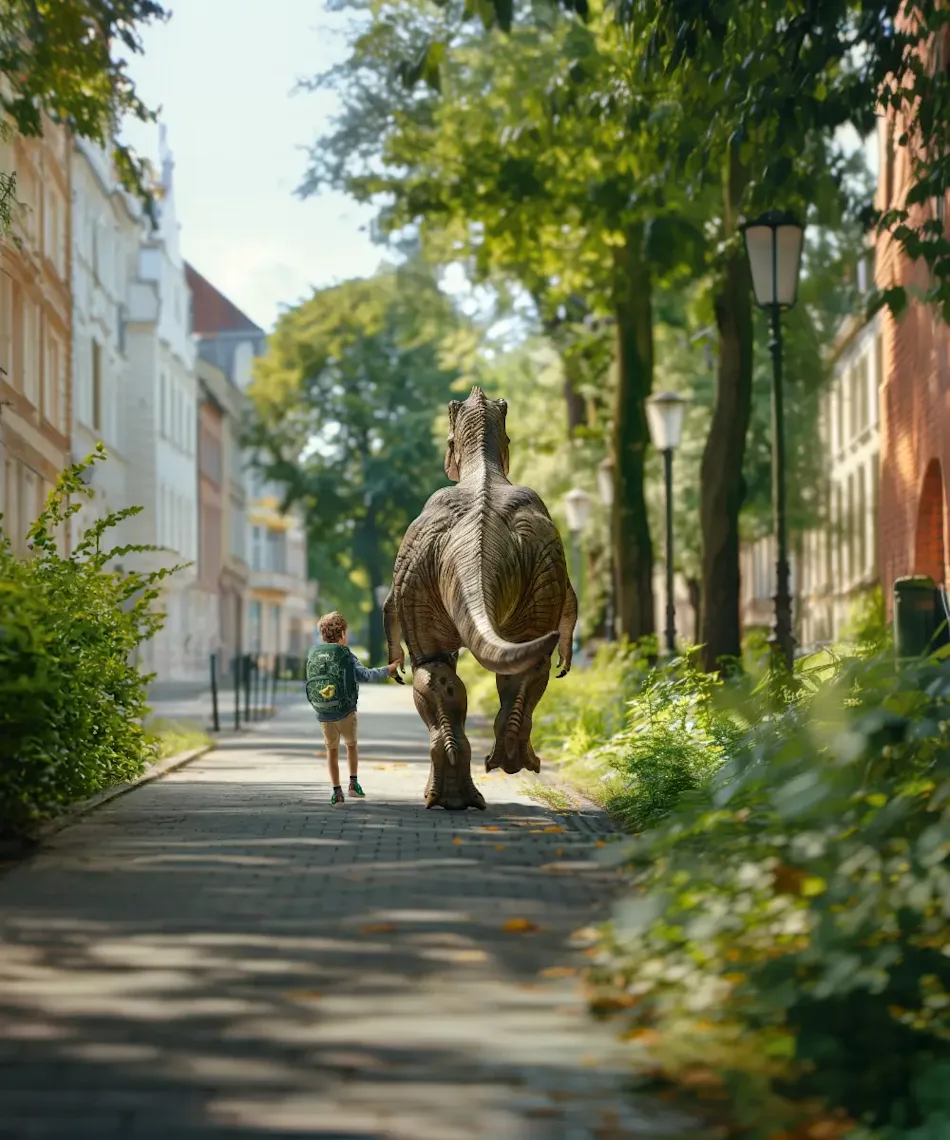
From prehistoric times to everyday school life: the dinosaur as a faithful companion
Where can you visit dinosaur exhibitions in Germany?
🦕 Museum of Natural History, Berlin One of the largest dinosaur skeletons in the world can be found here: the 13-metre-high Giraffe Titan. Interactive exhibitions make prehistoric times tangible.
🦖 Münchehagen Dinosaur Park, Lower Saxony An extensive park with over 200 life-size dinosaur models and real dinosaur tracks in the quarry.
🌍 Senckenberg Nature Museum, Frankfurt One of the most important natural history museums in Europe with an impressive Tyrannosaurus Rex and interactive stations for children.
🦴 Dinosaur Museum Altmühltal, Bavaria This is where science and adventure meet: skeletons, fossils and an outdoor area with realistic dinosaur reconstructions.
🎥 Gondwana - The Prehistorium, Saarland Dinosaurs in 3D! The exhibition inspires with lifelike stagings and a journey through the history of the earth.
🔎 Open-air dinosaur museum, Thuringia Fossils you can touch: In a quarry near Tambach-Dietharz, visitors can dig for prehistoric finds themselves.
Discovering fossils: How dinosaurs are researched
Research into dinosaurs begins with fossils that have been preserved for millions of years. These include bones, teeth and skin impressions. Paleontologists use tools such as chisels and brushes to carefully uncover them.
Modern technologies such as CT scans enable analyses without damaging the finds. This makes it possible to study the growth and lifestyle of dinosaurs. The environment of their time - forests, deserts or swamps - can also be reconstructed.
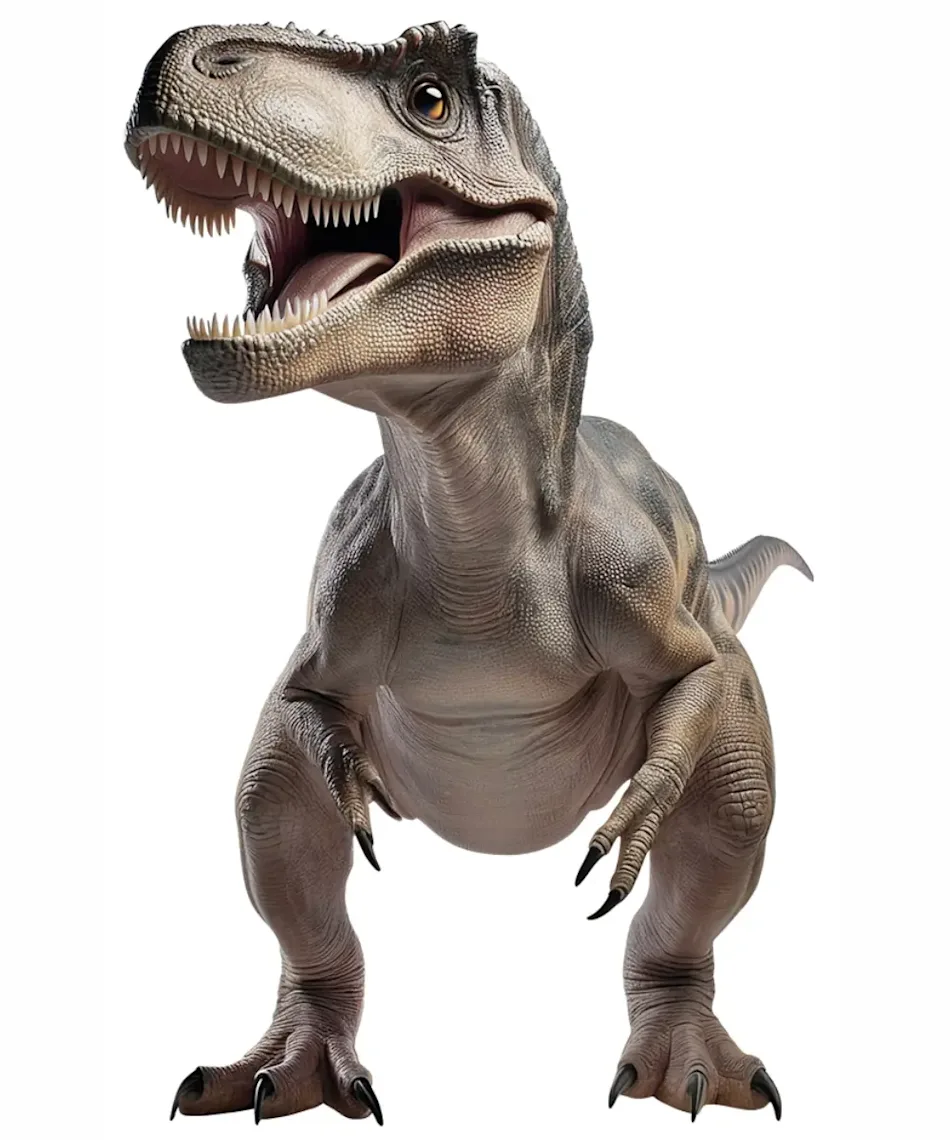
The replica of the dinosaurs is particularly exciting. Using muscle attachments, realistic models can be developed that make size, movement and even colors more tangible.