Sustainability
Because children are our future
Sustainably responsible since 2010
We want a world where kids can be kids - free, playful and unburdened.
Since the founding of ergobag 15 years ago, we have passionately worked on being the most sustainable elementary school brand and to keep our ecological footprint as small as possible. All of this with the goal of creating and maintaining a liveable environment for the elementary school children of today.
Sustainability has not just been an important part of our brand DNA since foundation. We are proud of being a pioneer and role model for 15 years, becoming better every year and setting new, high standards again and again.


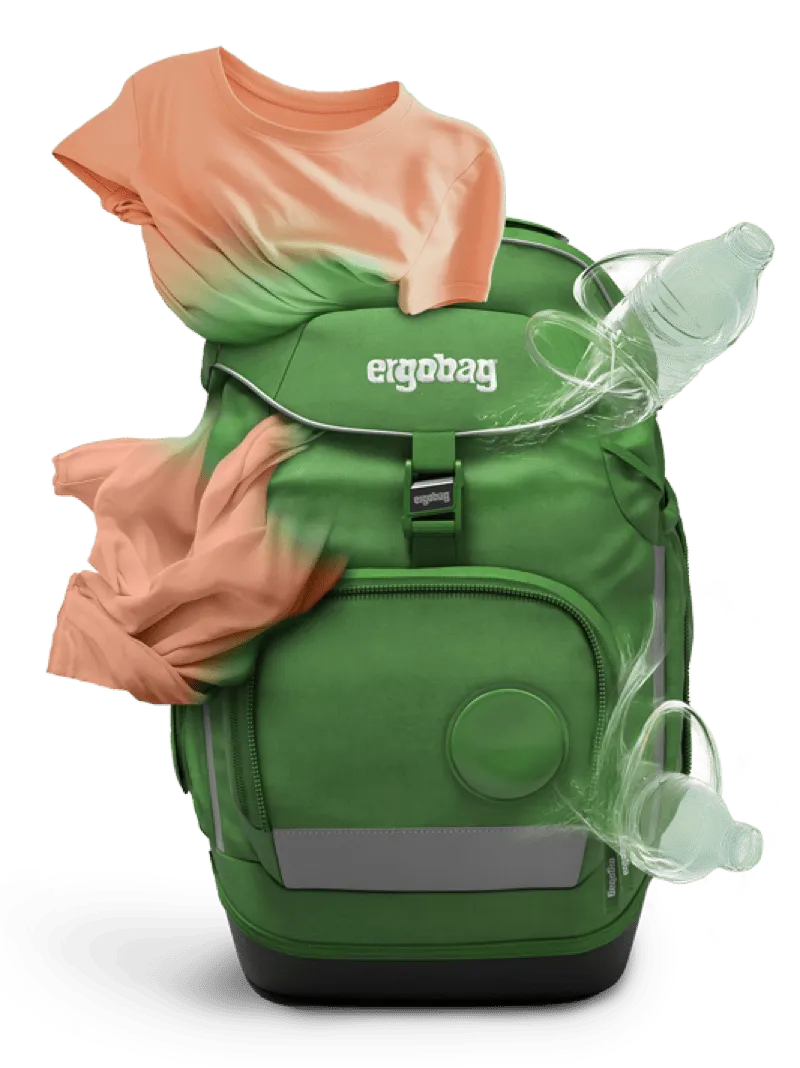
Collect. Recycle. Re-appraise.
We want to make the future bright, as well as the school yard! That's why the outer fabric of our very first ergobag was made entirely from recycled PET bottles.
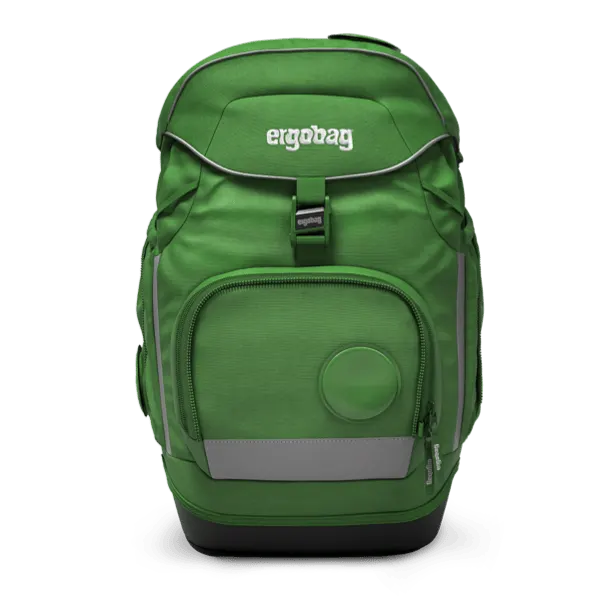
And because we believe recycling is better than disposal, we have now introduced a new recycling innovation: Textile-to-Textile. Old textiles are spared incineration and given a new lease of life as an innovative fabric. And we transform this fabric into the main component of our multi-colored companion for every school day.




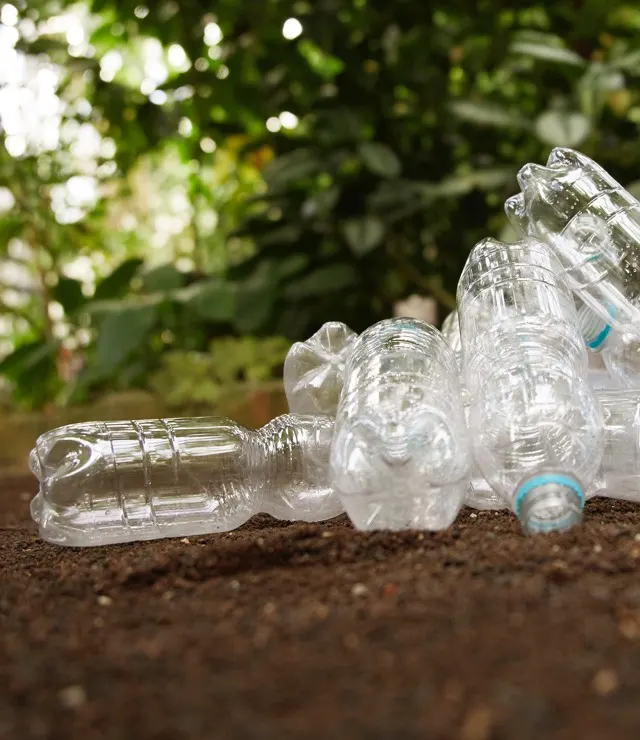
Recycling is part of our DNA
For us, it makes perfect sense to give used materials a second life. In addition to textile-to-textile recycling, we have been using recycled outer fabrics made from PET bottles since the company was founded, turning "bottles into bags" since 2010. This principle has set standards and contributed to PET recycling becoming commonplace in many industries today. But we are thinking ahead: even though PET recycling remains useful, it removes valuable resources from an existing cycle. That is why we want to act even more consistently in the future and focus more on textile-to-textile recycling to keep materials in the textile cycle.

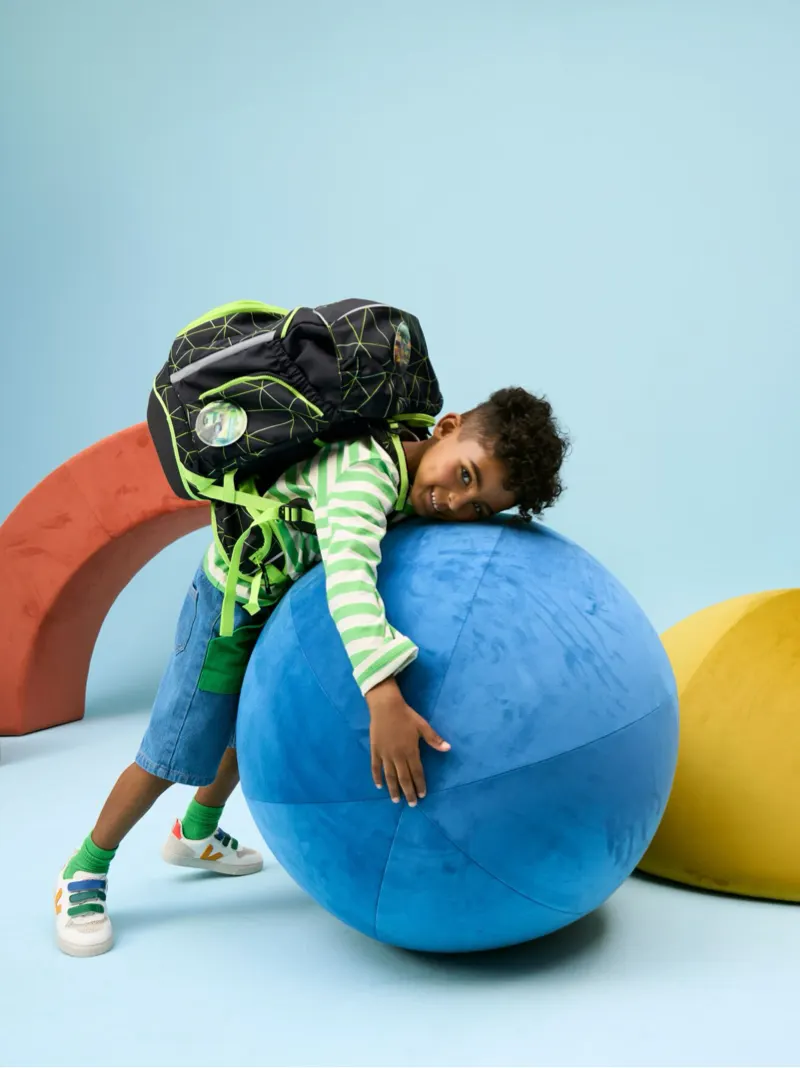
No rubbish in - no rubbish out - clean production
The motto from bluesign® is to not use any hazardous materials during production to prevent chemicals from entering the environment and causing harm to people and nature.
Bluesign® certifies the production process during material production (in particular dyeing and fabric finishing). That is why we work with as many bluesign®-certified vendors as possible. Furthermore, we also do not use any per- and polyfluoride chemicals (PFC) for the water-repellent impregnation, because they are not biodegradable and we have converted our entire collection to a PFC-free impregnation.
Our greatest pride: With our bluesign® products, we are providing what we consider to be the ultimate proof of our pioneering work in sustainability. With our ease and mini products, we are the first school brand to fully comply with bluesign®'s strict criteria for a clean product and a clean manufacturing process.


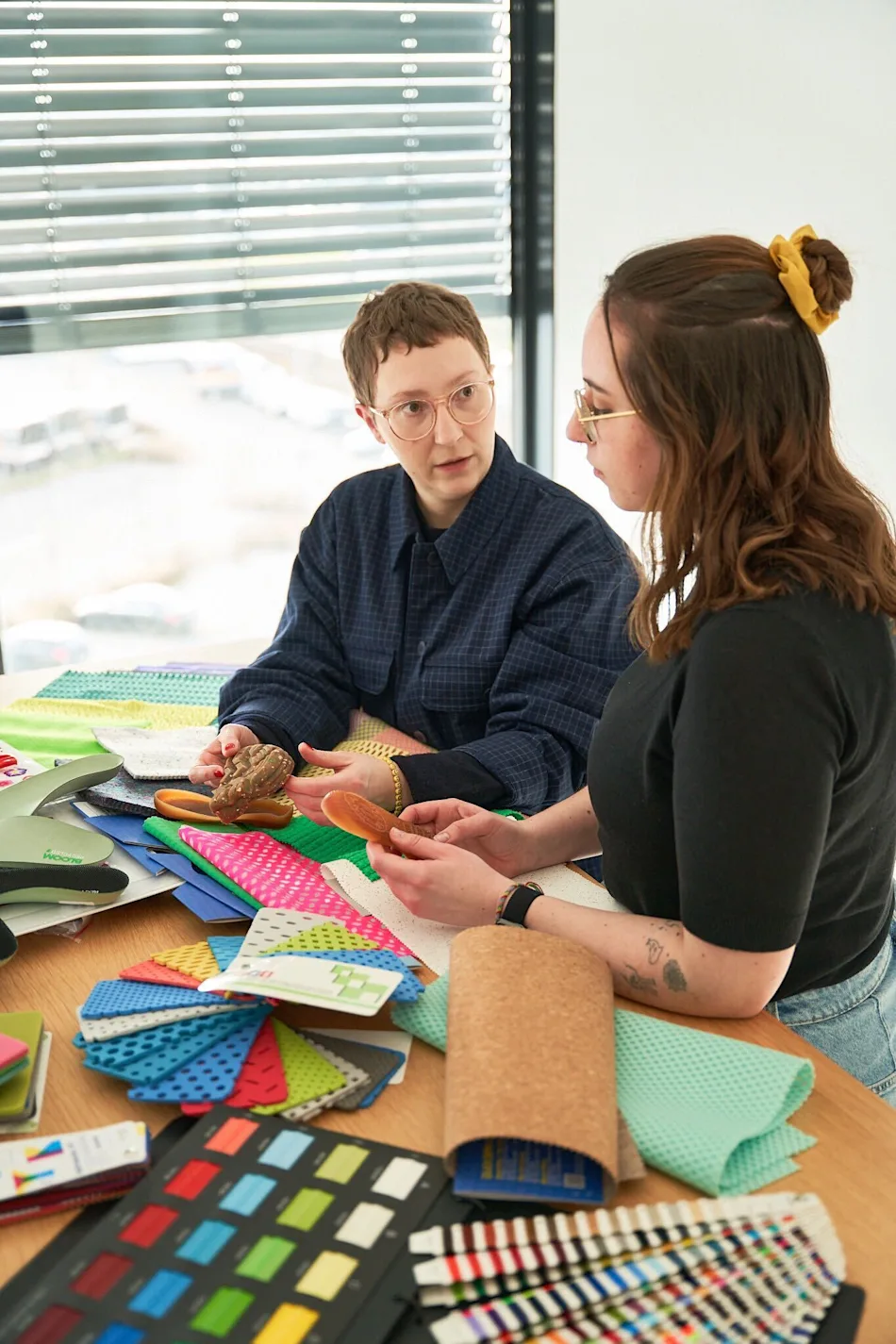
Materials tested with care
The ergobag development team specifically selects robust fibers and yarns that are extensively tested in the textile laboratory for abrasion resistance, pilling, color fastness, tear resistance and waterproofness. To prevent color abrasion and ensure durability, we dye high-wear areas of the backpacks instead of printing them. We use PFC-free impregnation and bluesign®-certified fabrics to ensure safe and environmentally friendly production. In addition, independent testing institutes regularly test our materials for compliance with limit values for harmful substances so that we can ensure that our backpacks not only last the entire primary school period and beyond, but can also be worn without hesitation.
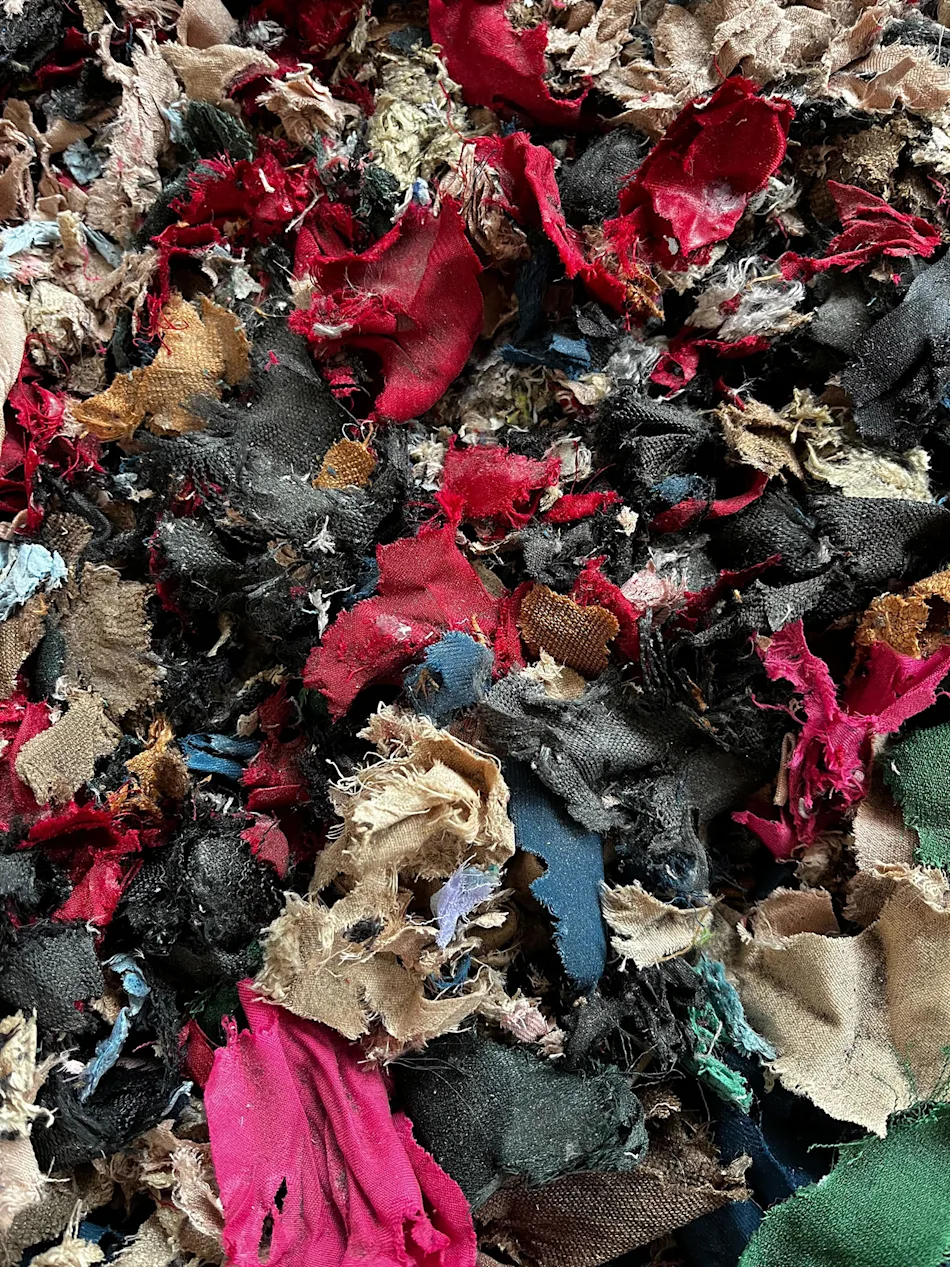
Made from old clothes
The outer material of our particularly sustainable backpack designs is made from 100% recycled textiles! This means that we give discarded clothes and textile waste a new purpose and turn them into school backpacks. In this way, we help to conserve resources and reduce the use of new materials. An important step towards closing material cycles.

Responsible production
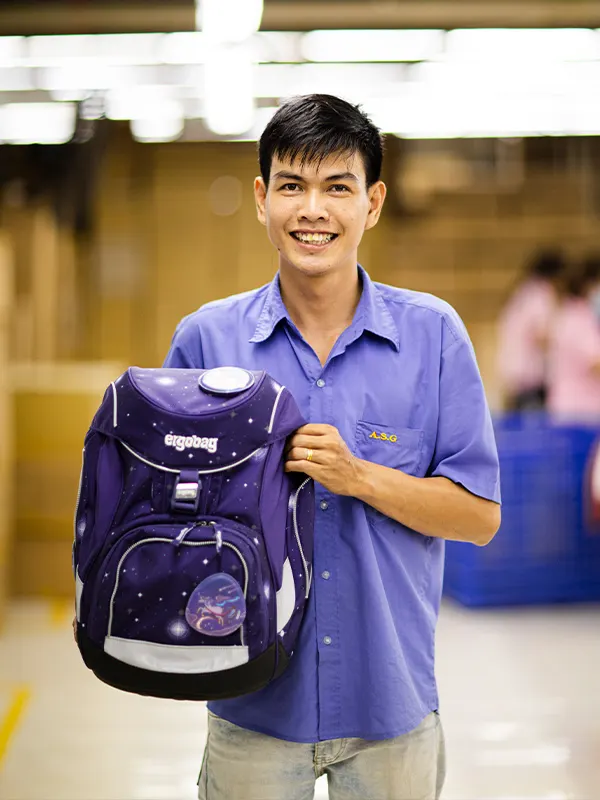
The FAIR WEAR FOUNDATION (FWF) is a European multi-stakeholder organization. It is made up of NGOs, business associations, trade unions, and companies like ours. Together, we have set ourselves the goal of improving working conditions in the textile industry. This is made possible by the “shared responsibility” approach, in which responsibility lies not only with the suppliers themselves, but also with us as a company. How do our business practices contribute to compliance with labor standards and the improvement of working conditions, for example? In addition to on-site audits, we are also audited once a year during the “Brand Performance Check.” This audit assesses our implementation of human rights due diligence obligations. Do we conduct a comprehensive risk analysis that affects our purchasing decisions? Are the results also incorporated into appropriate measures to improve and prevent human rights violations? Are we aware of the connection between our purchase prices and the wages paid locally? Are there functioning complaint mechanisms in the factories? We have to ask ourselves these and many other questions every year. In the last check in 2023, we were once again put through our paces and have been awarded Leader Status – the best possible rating from Fair Wear – since 2018.

State seal for sustainable textiles: "Green button"
We carry products with the Green Button seal. Certified have been the backpacks ease s & m, as well as the ergobag mini.
As the first national seal, Green Button examines responsible companies and social and ecological sustainability in textile production. The seal includes 46 social and environmental criteria, while both social and ecological requirements must be complied with.
On the one hand, humane working conditions are in focus including compliance with minimum wages, work safety & a ban on forced labor. On the other hand, environment-friendly production plays an important role, for example, a ban on hazardous chemicals & softeners or the pollutant test for natural fibers used. In order to offer consumers certainty & the highest degree of transparency, independent inspection institutions, such as the TÜV Nord, perform the certifications.
Green Button Certificate


Nachhaltige Zahlen und Fakten aus 15 Jahren ergobag
Seit unserer Gründung haben wir folgende Einsparungen machen können.
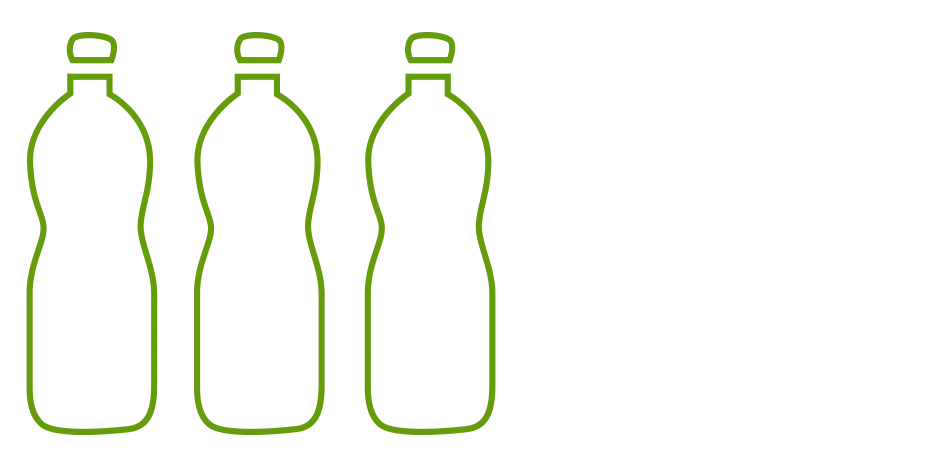
75,3 Mio.
0,5l PET-Flaschen recycelt dadurch:

623
Heißluftballons mit CO2 eingespart

1,2 Mio
Badewannen Wasser eingespart (142.198m3)