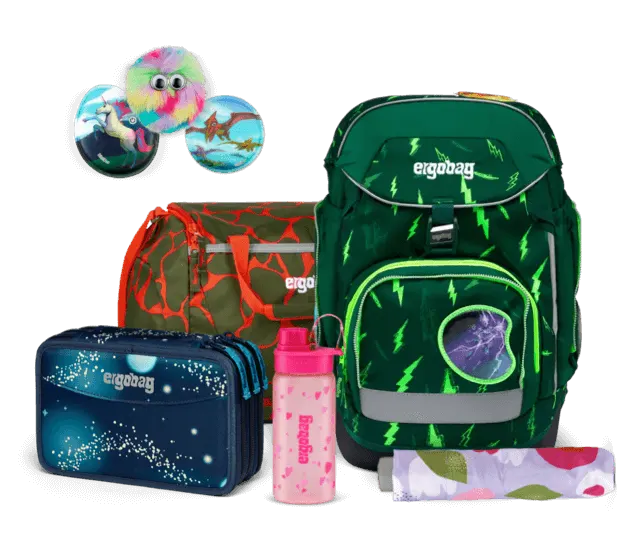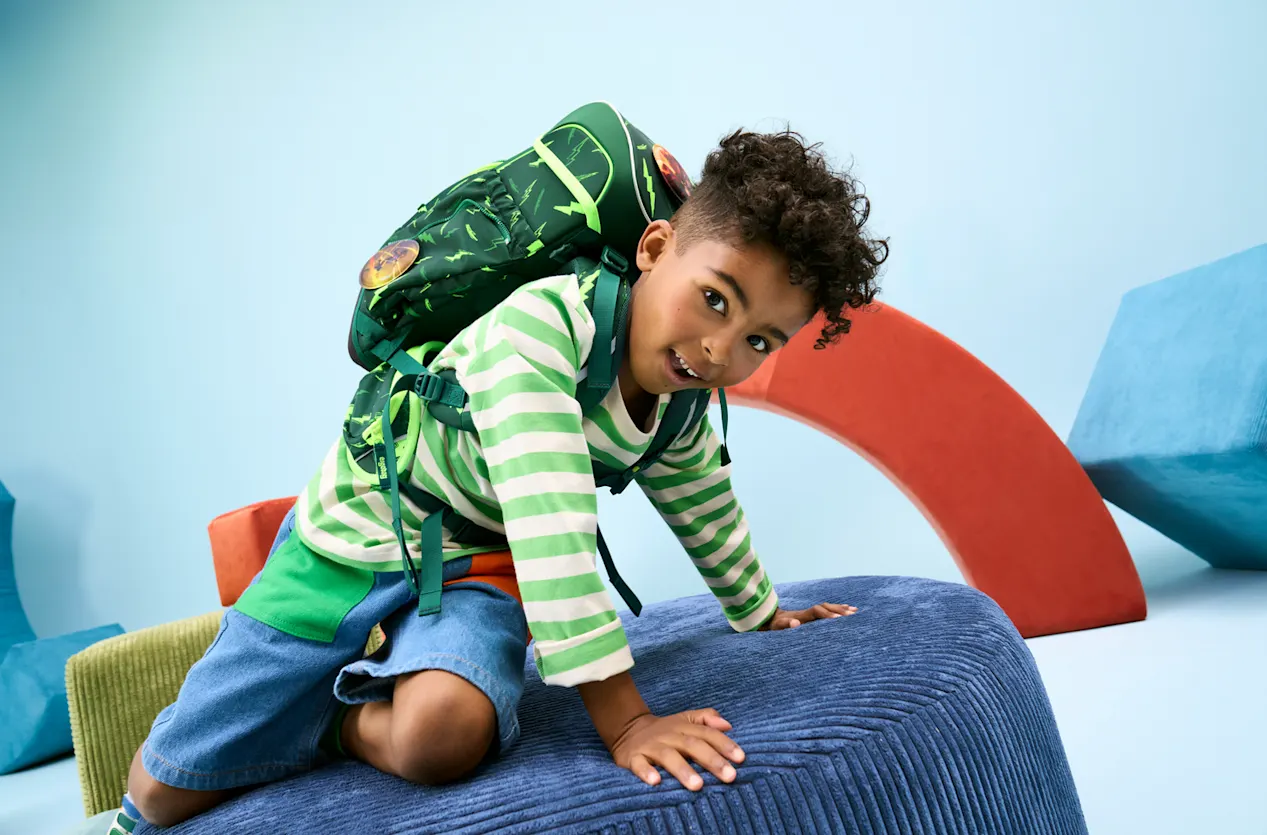
The perfect school bag in five minutes
Is your child starting kindergarten next fall? Then there’s no better time to start thinking about school bags. We’ll tell you what to look for and help you find the model that’s just right for your needs.

School bags for every child
First things first: the four most important features in a school bag
1. Ergonomic: A healthy back is everything!
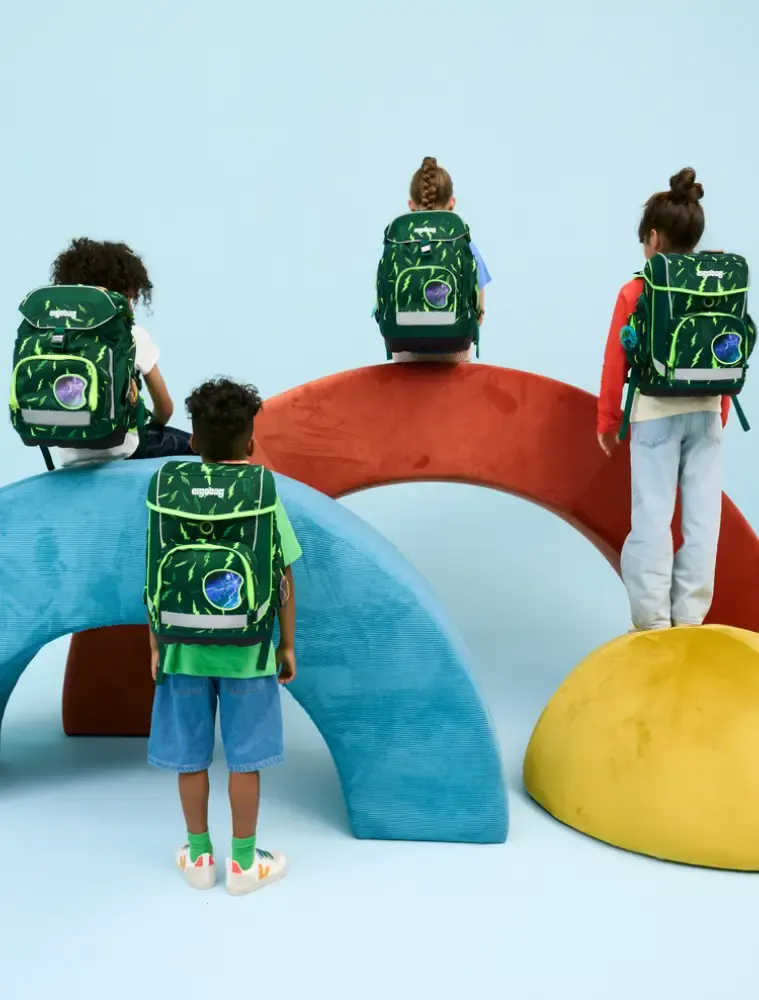
Remember those super-heavy backpacks we all used to schlep around school day after day? Luckily, school bags have come along way since then. But when it comes to ergonomics, the school bag manufacturing world still has good guys and bad guys. Here are a few things to keep in mind while you're shopping for a school bag:
Does the bag have an adjustable back? The school bag should grow with your child and adjust to their stature. That way, you’ll avoid back problems and make sure that they can keep using the bag for years to come. Is the back comfortable and well-padded? Backpacks vary widely in terms of the quality of the foam they use, which can affect comfort and durability. How much does the bag weigh? Kids have to carry a lot of stuff to school, so of course it’s usually better to find a bag that’s lighter when it’s empty. On the other hand, an adjustable back system and an ergonomic belt can help distribute weight better.
2. Space and order: An organized start to a new phase of life
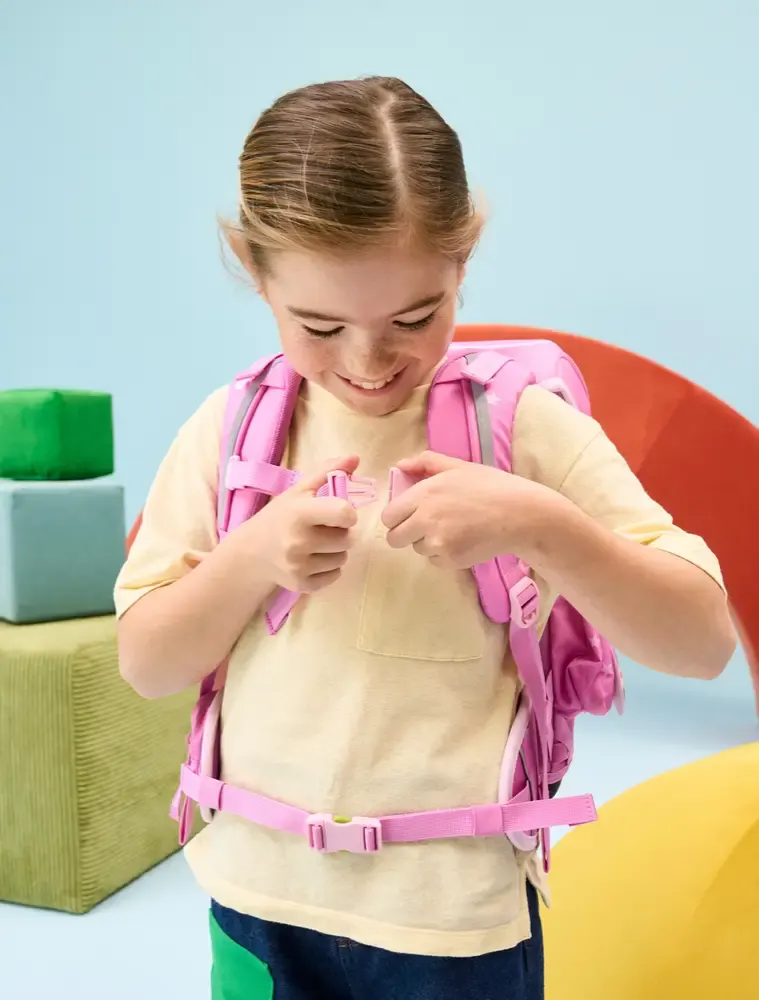
Elementary-school students are just beginning to organize themselves and work independently. Their backpacks should have features that help them do that:
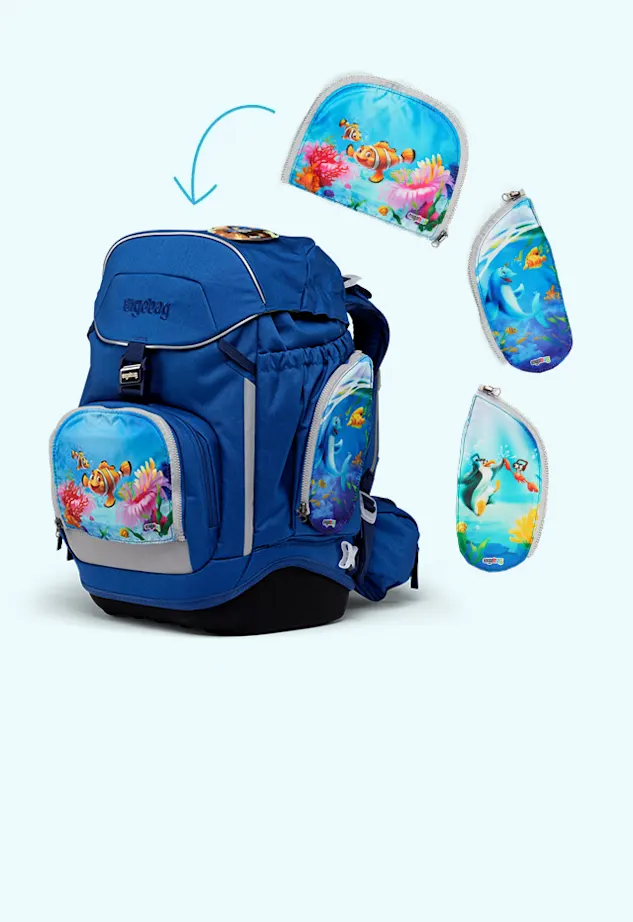
Do the school bag and its individual compartments/pockets open and close easily? Is the inside structure well-thought-out in a way that makes it easier for children to organize and keep track of their things? It’s best if everything has its place: Leak-proof pockets for lunches, side-pocket holders for water bottles and umbrellas, clever ways to attach gym bags, internal compartments with plenty of space for books, notebooks and folders. Does it generally have enough space for everything your child needs to carry?
4. Sustainability: Don’t stop thinking about tomorrow
It’s always important to consider how products are manufactured, and even more so when you’re buying them for children, because every purchase we make today affects the world of tomorrow—their world. Keep an eye out for these things, and you can rest easy that your bag’s materials, supply chain, and production standards get straight A’s in sustainability:
Is it made with recycled or otherwise sustainable materials? What sustainability seal does it have? In the textiles industry, BlueSign® and Grüner Knopf (Green Button) certificates are especially valuable. Does the manufacturer make a point of ensuring fair working conditions throughout the entire production process? For example, is it a member of the Fair Wear Foundation? Is the bag vegan, or are animal products used to manufacture it? Is it PFA/PFC-free? Per- and polyfluoroalkyl substances (PFAs), also known as perfluorochemicals (PFCs), are often used in waterproofing. They are not biodegradable.
3. Quality and durability: Four years, minimum!
Your child’s backpack will be with them for a long time, and it needs to be tough enough for the journey ahead. A forgotten sandwich here, a leaky juice bottle there, a few thousand rounds of opening and closing and carrying and dropping... and so on. To make sure your bag’s a keeper, keep these things in mind:
Is it well-crafted using high-quality materials? Does it have a stable, waterproof bottom? Does the manufacturer offer a multi-year warranty? If something does break, can you obtain replacement parts quickly and easily?
We asked: What was your biggest purchasing consideration?
Models: What’s your type?
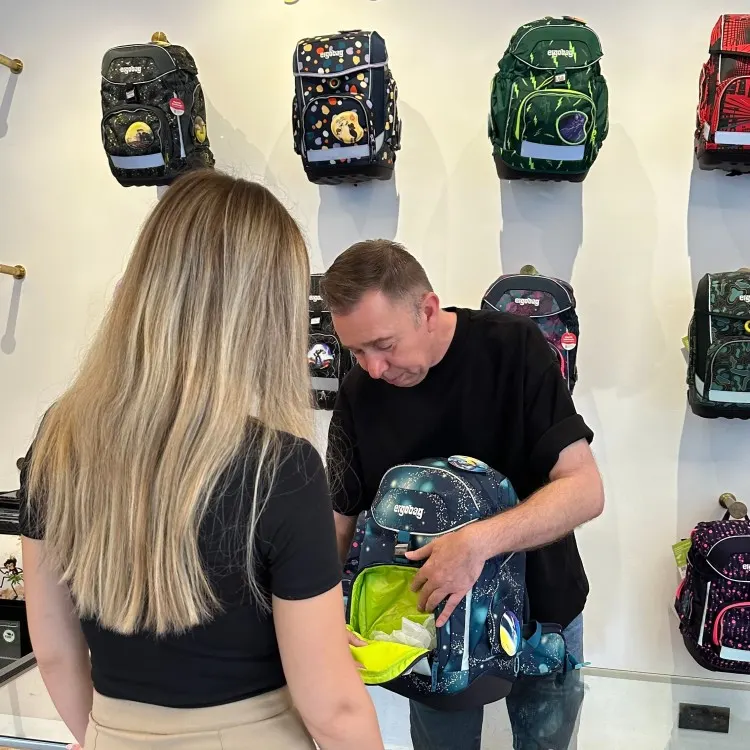
We asked: What was the purchasing process like for you?
Plain or playful? Soccer or elves?
Designs for 2025 enrollees
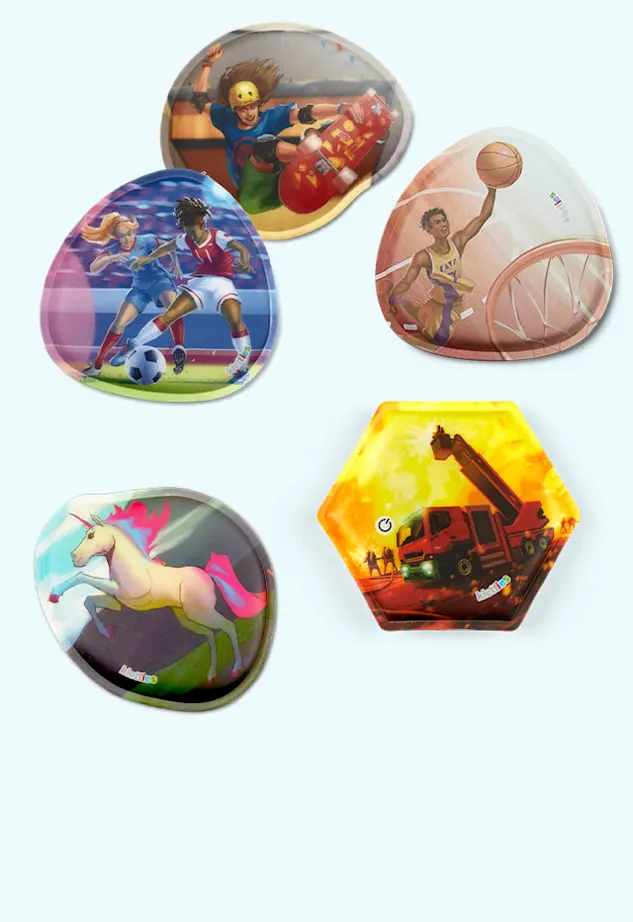
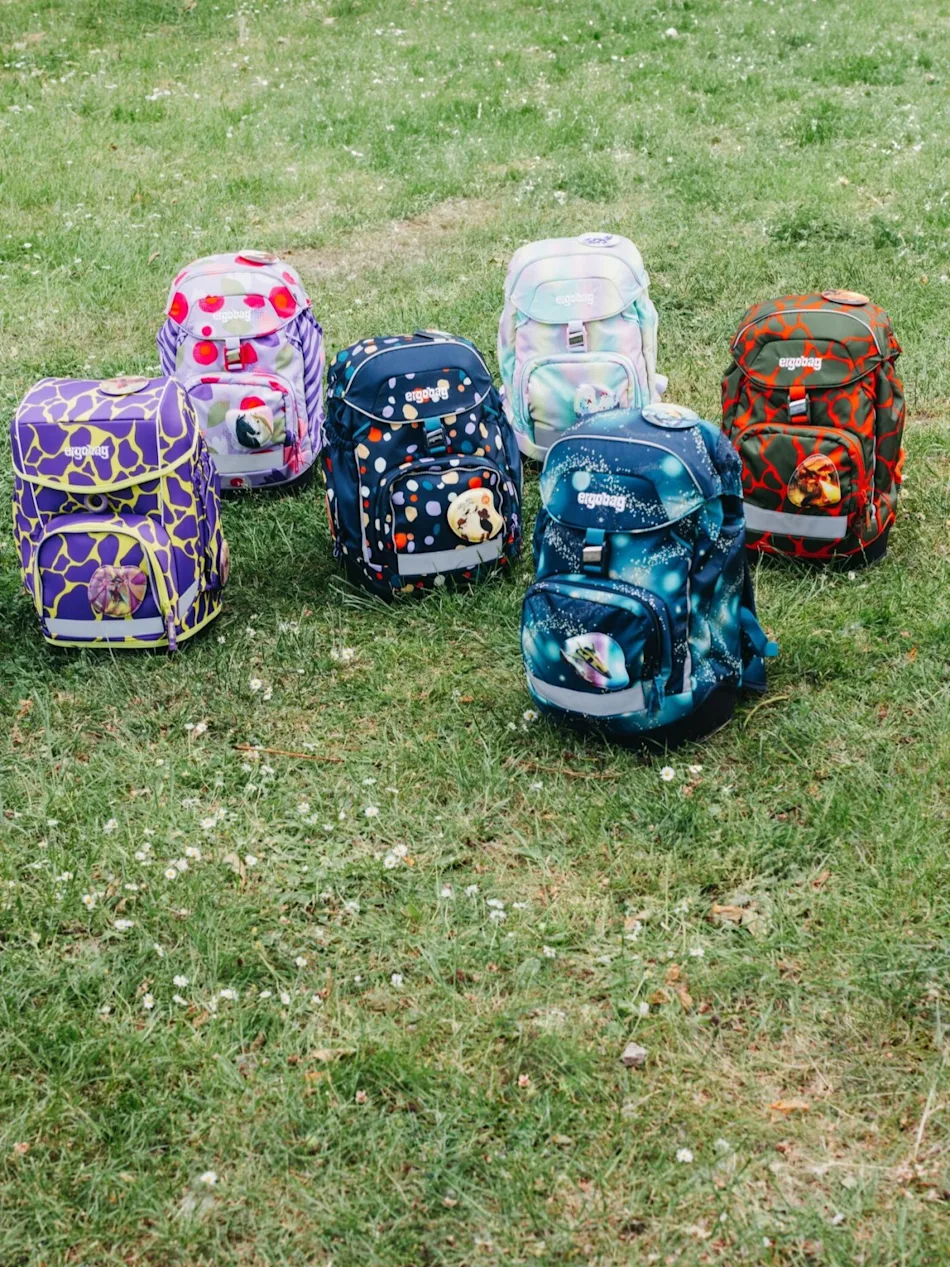
We’re proud to offer eight brand-new designs for children starting school in 2025. They’ll take you to distant galaxies and across colorful flower meadows, join you on exciting explorations, introduce you to mythical creatures and magical soap bubbles, and awaken your secret super-powers!
We recommend that parents choose together with their children (you can narrow it down in advance, of course) and that you all give yourselves plenty of time to make a decision. But once you’ve made up your minds, don’t wait too long— some of our more popular styles sell out quickly.