Responsibility
Because children are our future
Responsible since 2010
We want a world where kids can be kids - free, playful and unburdened.
That's why, ever since we were founded in 2010, we have been developing our products with a focus on how they are used, what they are made of and how they are manufactured. We place great importance on high quality, a long service life and the continuous development of our materials and processes.
For us, responsibility means making conscious decisions, regularly questioning existing solutions and pursuing new approaches to materials and product development.


Collect. Recycle. Re-appraise.
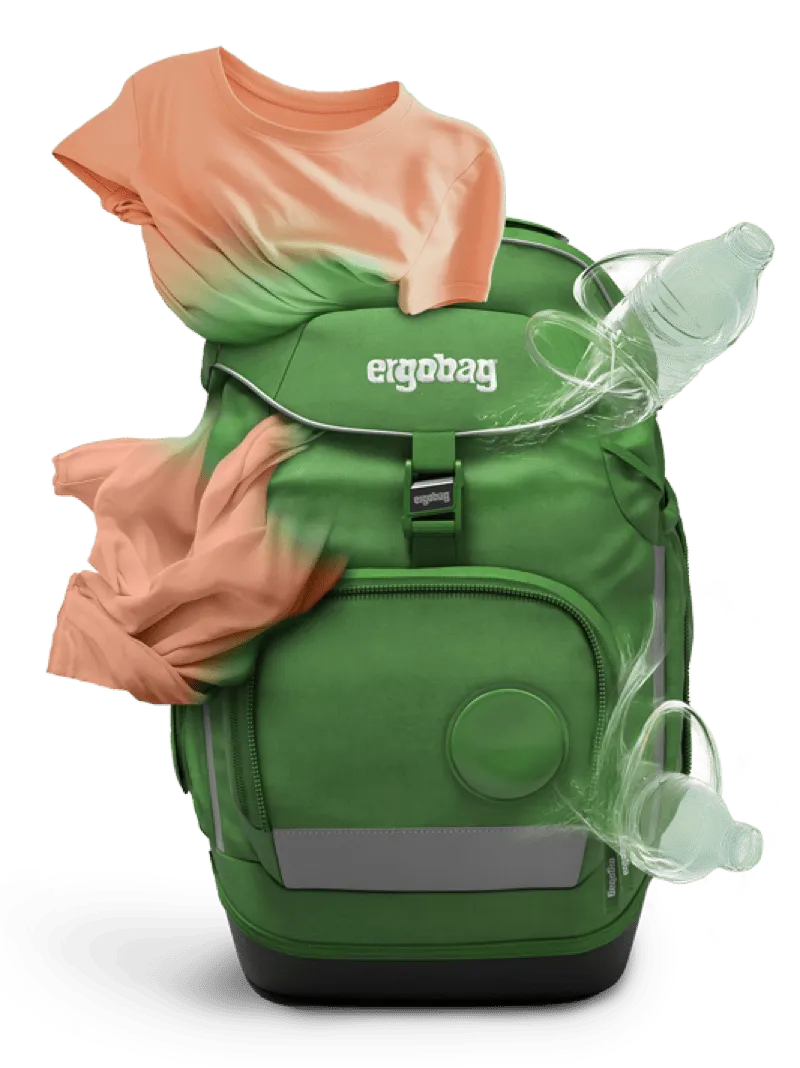
We are continuously working to increase the proportion of recycled materials in our products. Even the outer material of the very first ergobag was made from 100% recycled PET bottles.
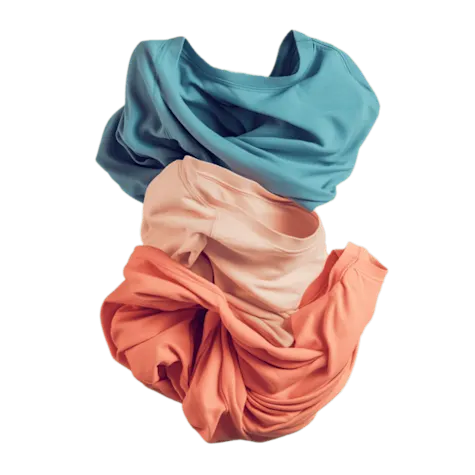
And because we still believe reusing is better than throwing away, we're now taking the next step with another recycling innovation: textile-to-textile. In this process, used textiles – mostly post-consumer waste – are brought back into the material cycle and made usable for new products. This is what the outer fabric of [all / selected] ergobag school backpacks is made from.

Old Materials. New Approaches.
Collection of used Textiles
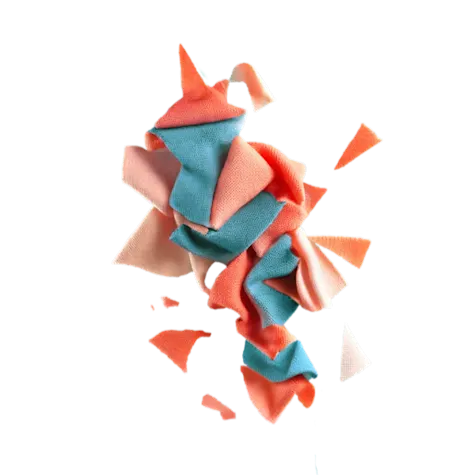
Shredding and cleaning
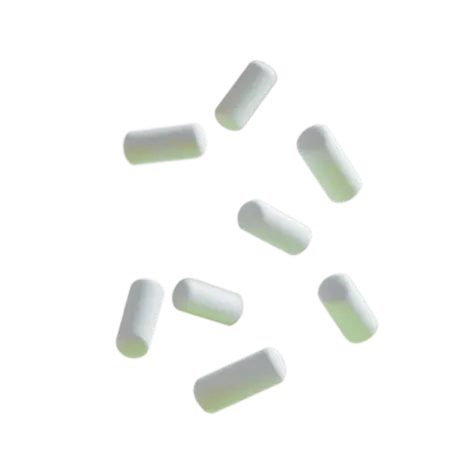
Manufacturing Granulate

Yarn manufacture
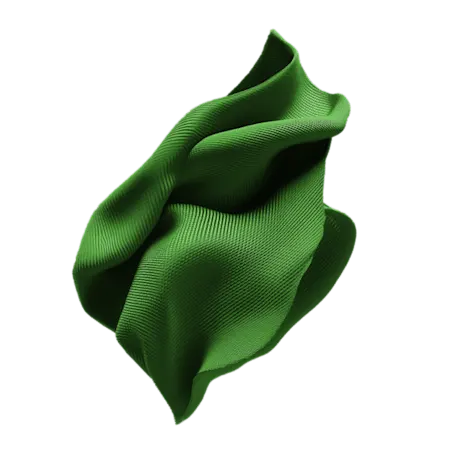
Fabric production for the bag
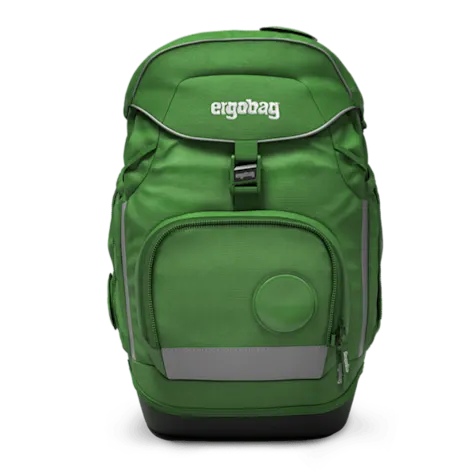
Making the Backpack
Fabric from recycled PET bottles

Collecting PET bottles

Shredding and cleaning
Yarn manufacture
Fabric production for the bag
Making the Backpack
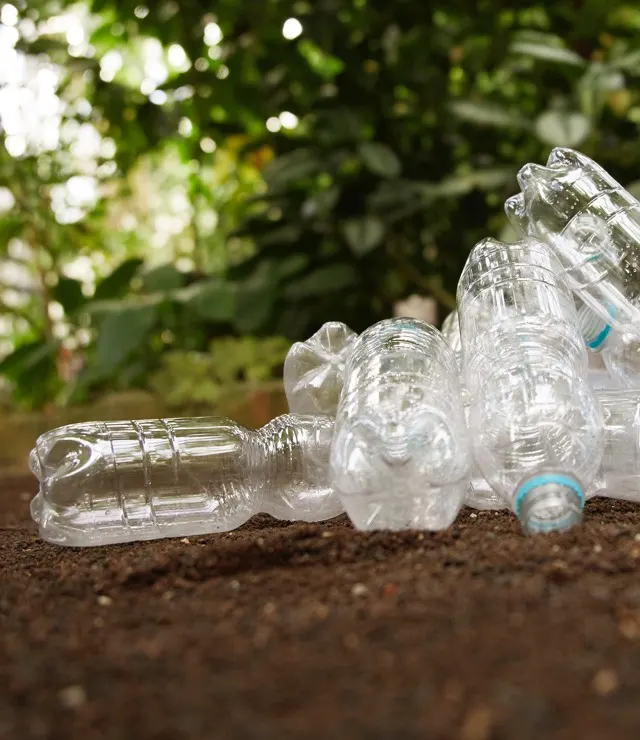
Recycling is part of our DNA
For us, it makes a lot of sense to give materials that have already been used a second life. Alongside textile-to-textile recycling, we have relied on recycled outer fabrics made from PET bottles across large parts of our range since the very beginning of our company – turning "bottles into bags" since 2010.
But we're thinking further ahead: even though PET recycling remains worthwhile, it takes valuable resources out of an existing cycle. That's why we're increasingly focusing on textile-to-textile recycling – to keep materials within the textile cycle.

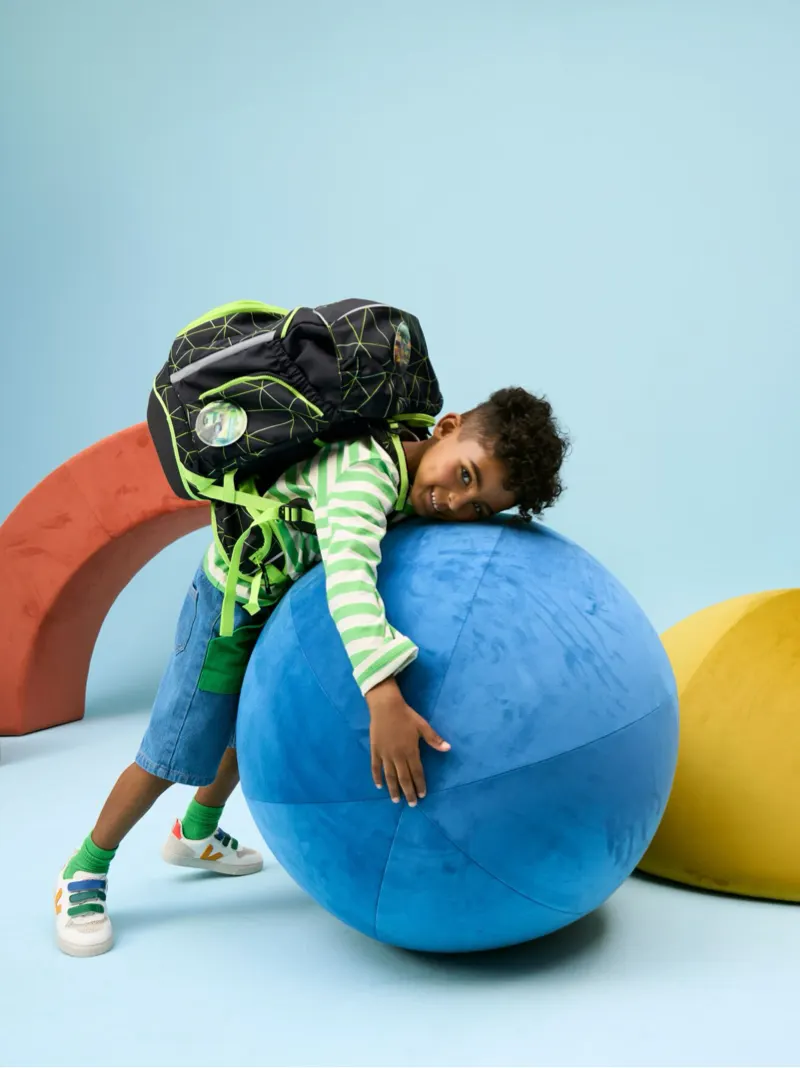
No rubbish in - no rubbish out - clean production
No junk in, no junk out – clean production Our goal: to avoid the use of harmful substances in manufacturing right from the start. We don't use per- and polyfluorinated chemicals (PFCs) for our water-repellent treatment, as they barely break down in nature, and we have switched our entire collection to a PFC-free treatment. In addition, we regularly have our materials tested for harmful substances by independent testing institutes, so our backpacks can be worn with complete peace of mind~~ – throughout primary school and beyond~~.
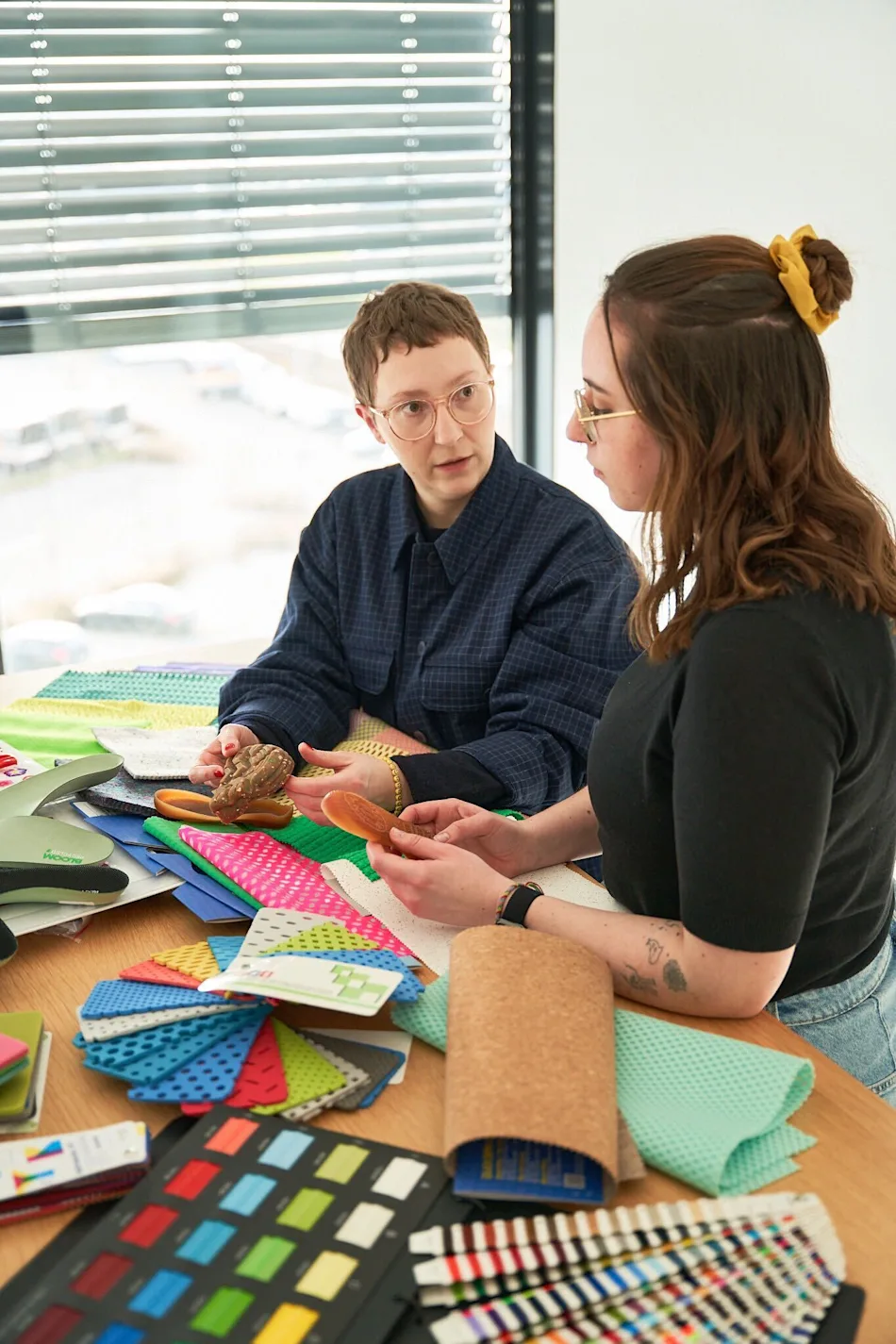
Materials tested with care
The ergobag development team carefully selects robust fibres and yarns, which are extensively tested in the textile lab for abrasion resistance, pilling, colourfastness, tear strength and water resistance. To prevent colour rub-off and support durability, we dye high-stress areas of our backpacks rather than printing them. We use a PFC-free water-repellent treatment~~ to ensure safe and environmentally friendly production~~. In addition, independent testing institutes regularly check our materials for compliance with limits for harmful substances, so our backpacks can be worn without any concerns.
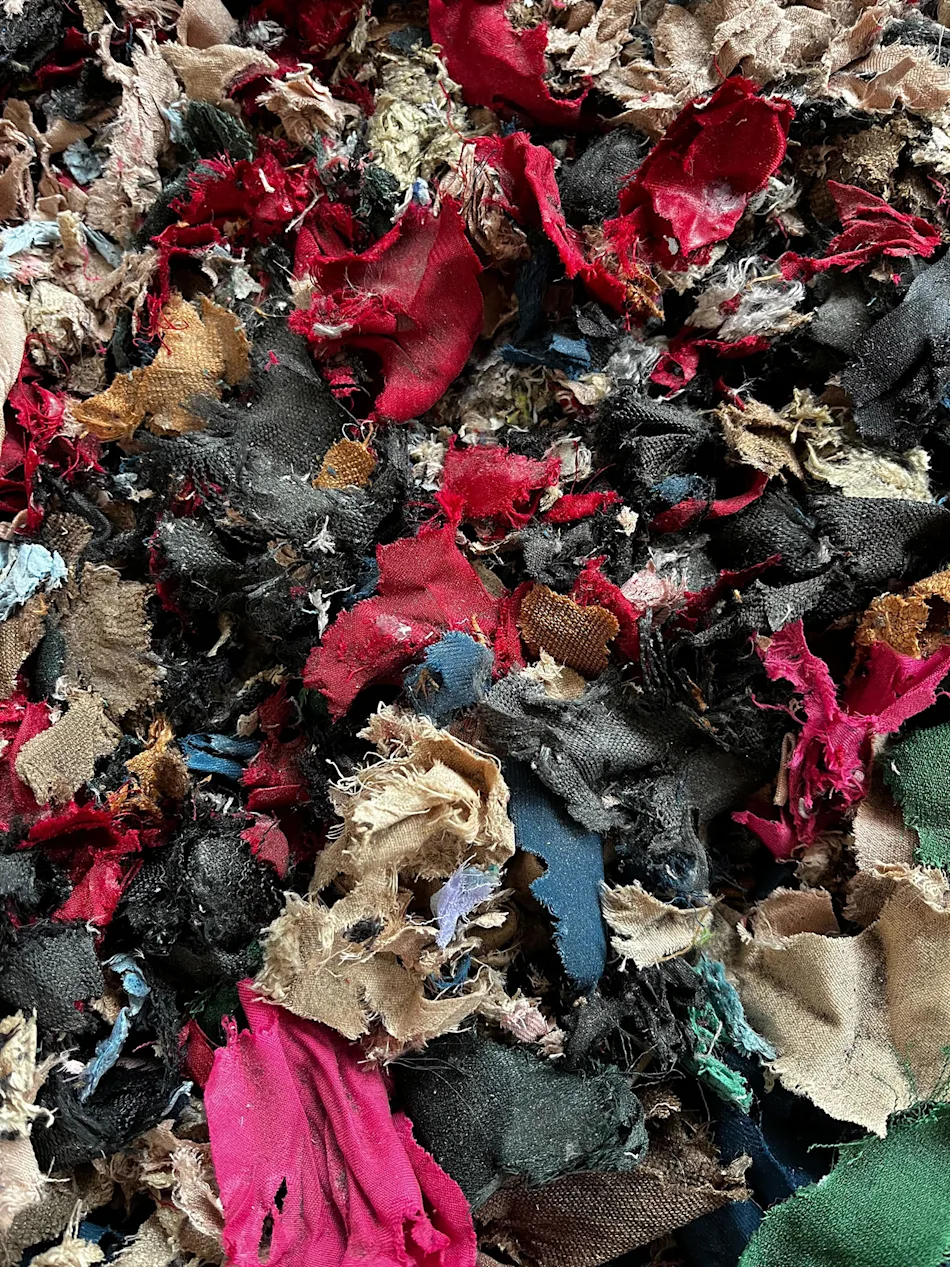
Made from old clothes
The outer material of our particularly sustainable backpack designs is made from 100% recycled textiles! This means that we give discarded clothes and textile waste a new purpose and turn them into school backpacks. In this way, we help to conserve resources and reduce the use of new materials. An important step towards closing material cycles.

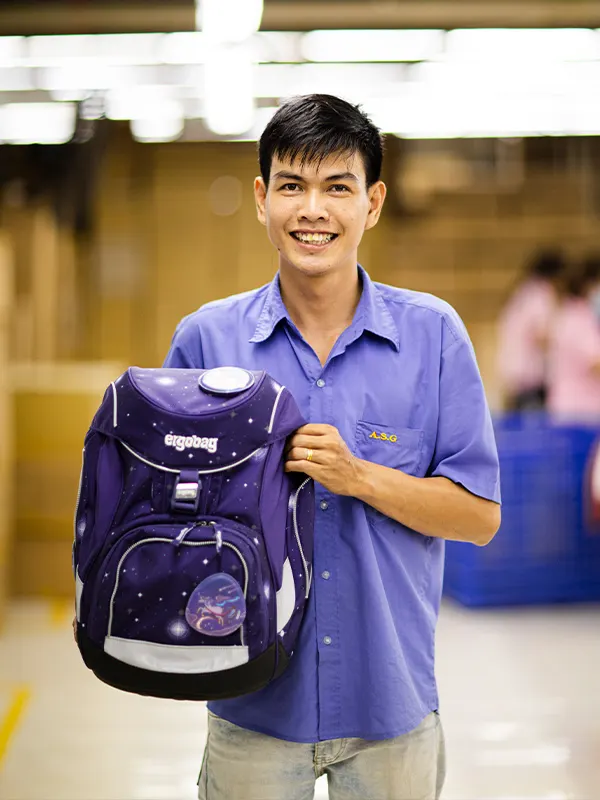
Working together for better working conditions
Since 2016, we have been working with the Fair Wear Foundation (FWF)—a multi-stakeholder organization comprising NGOs, business associations, labor unions, and companies like ours. Drawing on more than 25 years of experience in the apparel, textile, and footwear industries, Fair Wear ensures that we make human rights due diligence an integral part of our daily business practices.
This is made possible by the “shared responsibility” approach, in which responsibility lies not only with the suppliers themselves, but also with us as a company. How do our business practices contribute to compliance with labor standards? On the one hand, through a comprehensive risk analysis that influences our purchasing decisions. Second, by continuously refining our sourcing practices to increase our positive impact on working conditions in the factories.
For regular on-site audits, training programs, and grievance mechanisms, we rely on Fair Wear’s local teams and use their networks to connect with relevant stakeholder groups. In addition, we undergo an annual “Brand Performance Check”—which assesses, among other things, our implementation of human rights due diligence. We were once again thoroughly evaluated during the most recent check in and have consistently been awarded “Leader” status—Fair Wear’s highest possible rating—since 2018.

Government-backed. Independent. Certified.
We carry products bearing the Green Button—the Federal Republic of Germany’s official seal of approval for textiles produced in a socially and environmentally responsible manner. The ease s & m backpacks and the ergobag mini have been certified.
The certification is awarded by independent bodies based on strict criteria regarding social and environmental standards throughout the supply chain. The certification covers 46 social and environmental criteria, and both social and environmental requirements must be met.
On the one hand, the focus is on humane working conditions, such as compliance with minimum wages, occupational safety, and the prohibition of forced labor. On the other hand, environmentally responsible production plays a key role, for example through bans on hazardous chemicals and plasticizers or testing natural fibers for harmful substances.
To provide consumers with safety and transparency, independent testing agencies, such as TÜV Nord, carry out the certification process.
Green Button Certificate